Slow Burn, Big Payoff: How Indie Presses Are Turning Forgotten Titles Into Financial Lifelines
There's a particular kind of magic that happens when a reader discovers a book that's been sitting quietly on a shelf for a decade. No hype cycle, no launch-week frenzy—just a story that's been waiting for exactly the right person to find it. Independent publishers have known about this magic for a long time. Now, more of them are building entire business strategies around it.
In an industry that often treats books like cartons of milk—fresh for a few weeks, then quietly shuffled to the back—small presses are increasingly pushing back. They're discovering that a robust backlist isn't just a nice-to-have. For many indie operations running lean budgets and skeleton crews, it's the closest thing to a financial foundation they've got.
The Hamster Wheel Nobody Wins
Here's the traditional publishing math that most people accept without question: you acquire a book, you build buzz, you launch hard, you hope it catches fire in the first eight weeks, and if it doesn't, you quietly move on to the next one. Rinse, repeat, survive.
For the Big Five, this model more or less works—if you're throwing enough titles at the wall, some will stick spectacularly and subsidize the misses. But for a small press publishing eight to fifteen books a year? That hamster wheel is exhausting, expensive, and genuinely dangerous. One bad season can threaten the whole operation.
A growing number of indie publishers are stepping off that wheel entirely. Instead of treating their older titles as dead weight, they're asking a different question: what would it look like to treat every book in our catalog as a living asset?
Repackaging as Resurrection
One of the most visible tools in the backlist revival toolkit is the redesign. A fresh cover can do things that a marketing budget can't—it signals to readers and booksellers alike that a press still believes in a title, that this isn't just warehouse inventory but a book worth a second look.
Small presses have been especially creative here. Some have commissioned entirely new illustration-based covers to replace photography-heavy designs that felt dated. Others have released anniversary editions with new introductions from the original authors, added reader's guides, or bundled companion titles together in themed collections. The goal isn't just aesthetics—it's repositioning. A novel about grief that was originally shelved in literary fiction might find a whole new audience if it's repackaged and pitched to the growing community of readers who follow mental health conversations online.
This kind of strategic repositioning takes real editorial vision, but it doesn't require a massive budget. And when it works, it can transform a book that was quietly earning a few hundred dollars a year into one that's suddenly moving thousands of copies again.
Building the Community Around the Catalog
Redesigns and reissues can generate a spike, but the indie presses that are really thriving on their backlists are doing something deeper: they're cultivating reader communities that keep older books in active conversation.
This looks different from press to press. Some publishers host virtual book clubs specifically focused on backlist titles, creating programming around books that came out five or ten years ago. Others lean into their social media presence to surface archival content—author interviews, original cover sketches, context about what was happening in the world when a particular book was written. A few have built subscription models that introduce readers to one backlist title per month, framing the whole thing as a kind of literary archaeology.
What all of these approaches share is a refusal to treat publication date as an expiration date. A book that found 500 readers in 2013 might be exactly what 50,000 readers need in 2025—but only if someone is actively making the introduction.
Booksellers as Backlist Champions
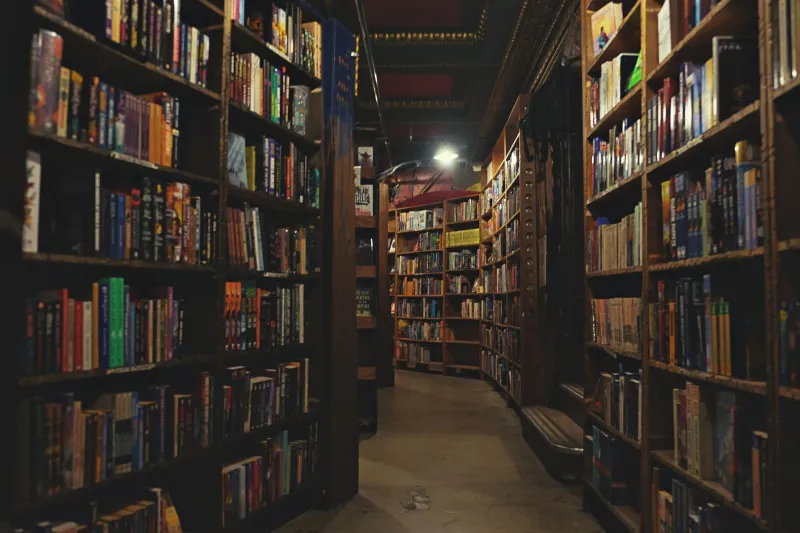
This is where the bookstore culture piece gets genuinely interesting. Independent bookstores and indie presses are natural allies, but the relationship has historically been weighted toward new releases. Staff picks displays, author events, front-of-store placement—most of that energy flows toward whatever launched in the last few months.
But a handful of indie booksellers have started collaborating with small presses in ways that deliberately surface older titles. Some stores have created dedicated backlist sections organized by press rather than genre, essentially inviting readers to explore a publisher's whole body of work. Others have partnered with presses on "catalog deep dive" events where booksellers and press staff talk through their favorite overlooked titles from years past.
For readers who trust their local bookstore's taste, this kind of curation is gold. It's the difference between stumbling across a ten-year-old novel by accident and having someone you trust say, hey, this one's been waiting for you.
The Long Game and Why It Matters
There's an economic argument here that's pretty straightforward: backlist revenue is more predictable than frontlist revenue. A debut novel is a bet. A backlist title that's been earning steadily for five years is closer to a known quantity. For small presses trying to plan staffing, acquisitions, and operations twelve or eighteen months out, that predictability is genuinely valuable.
But there's also something philosophically important happening in this shift. When indie presses invest in their backlists, they're making a statement about what books are for. They're saying that a story's value isn't determined by how many copies it moved in its launch window. They're pushing back against the idea that cultural relevance has a shelf life.
In a publishing landscape where so many voices—particularly those of writers from marginalized communities—have historically been published and then quietly allowed to go out of print, that pushback matters. Keeping a backlist alive is, in its own way, an act of preservation. It's a press saying: this story deserved to exist, and it still does.
What This Looks Like on the Ground
If you want to see backlist strategy in action, pay attention the next time you're in an indie bookstore. Notice which small presses have dedicated shelf space that includes titles from five, ten, fifteen years ago. Look for the ones running social media campaigns that aren't just about what's new. Check whether a press's website makes it easy to browse their full catalog or whether it's essentially just a landing page for whatever launched this season.
The presses doing this well tend to have something in common: they think of themselves less as launch machines and more as stewards of a body of work. That's a subtle but meaningful distinction, and it's one that's quietly reshaping what sustainable independent publishing looks like in America.
The backlist revolution isn't loud. It doesn't have a hashtag or a trend piece in the trades. But for the small presses quietly building catalogs that earn and endure, it might be the most important thing happening in indie publishing right now.