Turned Down, Tuned In: Why Rejection Letters Became Indie Publishing's Best PR Move
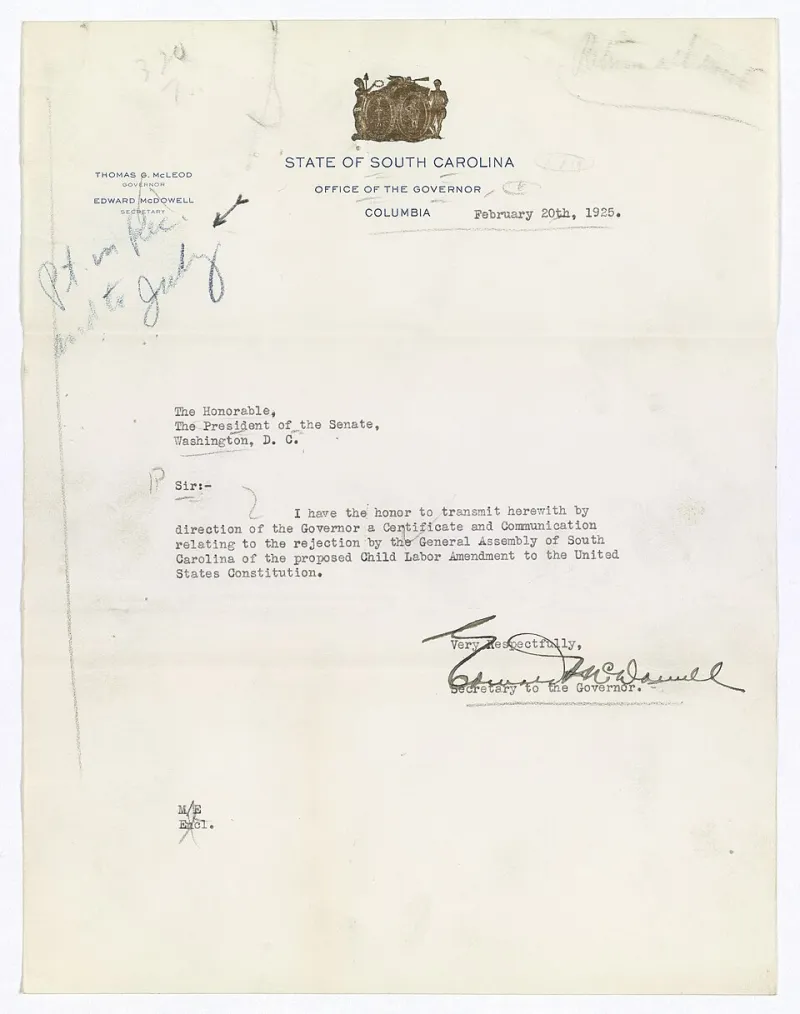
Photo: U.S. Senate. Committee on the Judiciary. (12/10/1816), Public domain, via Wikimedia Commons
There's a framed rejection letter hanging in the entryway of Mireille Okonkwo's home office in Asheville, North Carolina. It's from a major imprint she'd rather not name — though she'll tell you it rhymes with "Random House" if you catch her at the right moment after a glass of wine. The letter is brief, polite, and almost comically noncommittal. It says, essentially, thanks but no thanks.
"I used to be embarrassed by it," says Okonkwo, who founded Saltwater Shelf Press in 2018 after accumulating more than forty rejections across two manuscripts. "Now I show it to every author I sign. Because that letter is basically our mission statement."
Okonkwo is not alone. Across the country, indie press founders are doing something that would have seemed counterintuitive even ten years ago: they're making their rejection stories central to how they market themselves, build community, and attract the kind of readers who are increasingly skeptical of what the publishing industry's biggest players decide deserves to exist.
The Rejection Pivot
For decades, a rejection from a major house was something you quietly absorbed, maybe shared with your therapist, and then moved past. The cultural script was clear — traditional publishing was the goal, and not reaching it meant you'd fallen short.
But something has shifted. Reader trust in corporate gatekeepers has eroded in ways that feel almost generational. The same readers who distrust algorithm-curated playlists and faceless streaming recommendations are increasingly drawn to publishers with actual stories, actual stakes, and actual reasons for existing beyond quarterly revenue targets.
Jordan Fife runs Copperline Books out of Memphis, a press he launched in 2020 after a manuscript he'd been developing for five years was rejected by eleven agents and four publishers. He didn't set out to make the rejection part of his brand. It just kind of happened organically.
"I put the number in a newsletter once — forty-seven total rejections across the whole journey — and the response was insane," Fife says. "People were writing back saying that's exactly why I trust you. Which honestly floored me at the time."
It floored him, but it also taught him something about how the conversation around publishing has changed. Readers who came of age during the consolidation of the Big Five — who watched imprints collapse, midlist authors disappear, and debut advances shrink — aren't necessarily impressed by mainstream validation. Some of them are actively suspicious of it.
Failure as Credential
This reframe isn't just emotional storytelling. It's becoming a genuine marketing strategy, and some indie presses are leaning into it with real intentionality.
Tamsin Reyes, who co-founded Thistle & Wire Press in Portland, Oregon, has built a whole section of her press's website around what she calls "the letters that made us." It features scanned rejection correspondence — some form letters, some with actual handwritten notes — alongside the titles that eventually came out of those experiences.
"We're not doing it to be petty," Reyes is quick to clarify. "We're doing it because it tells a true story. These books existed. They had real merit. And they were turned away because they didn't fit a commercial slot. That's actually really important information for a reader to have."
The implicit message is compelling: if those gatekeepers didn't want this book, maybe you — the reader who has always felt slightly outside what mainstream culture decides is worthy — are exactly who this book was written for.
It's a savvy move, and it taps into something that marketing consultants have been saying for years but that publishing has been slow to internalize: authenticity isn't a tone, it's a history. And rejection, handled right, is one of the most authentic histories a press can have.
When the Story Resonates — and When It Doesn't
Not everyone in the indie press world is convinced this approach works universally. Dominic Ware, who teaches publishing studies at a small liberal arts college in Ohio and has consulted with several small presses on brand strategy, offers a note of caution.
"There's a version of this that's genuinely powerful and a version that just reads as bitter," he says. "Readers can tell the difference. If the rejection narrative is about we built something better because we had to, that lands. If it's about those people were wrong about us, it tends to turn people off."
The distinction matters. The indie presses that are doing this well tend to focus on what the rejection enabled rather than what it denied. Okonkwo puts it plainly: "I'm not mad at that letter. I'm grateful for it. It meant I had to figure out what I actually believed in, without anyone else's framework."
That framing — rejection as clarifying rather than wounding — is what tends to resonate with readers who are themselves navigating a cultural moment full of closed doors and unclear paths.
A Different Kind of Trust
There's also something worth noting about timing. A decade ago, the indie press landscape was smaller, less visible, and readers had fewer touchpoints for discovering small publishers at all. The idea of a press marketing its outsider status would have had limited reach simply because the infrastructure to amplify that story — social media communities, Substack newsletters, BookTok, indie-focused review outlets — wasn't as robust.
Now, the ecosystem has changed. Readers don't just discover books; they discover publishers. Press identity matters in a way it genuinely didn't in 2012.
"My readers follow Copperline the way they'd follow a band," Fife says. "They're not just buying individual titles. They're invested in what we're doing and why we're doing it. And the rejection story is part of that. It's part of why they feel like what we're doing is real."
For Mireille Okonkwo, the framed letter in her hallway has become something of a conversation piece with the authors she works with — many of whom arrive at her press with their own stacks of rejections. She tells them the same thing every time.
"I say: keep those letters. Because someday, when your book is out and people are reading it and loving it, those letters are going to remind you exactly why you're here. And they're going to remind your readers too."