The Hidden Highway: Meet the Distributors Moving Indie Books From Press to Shelf
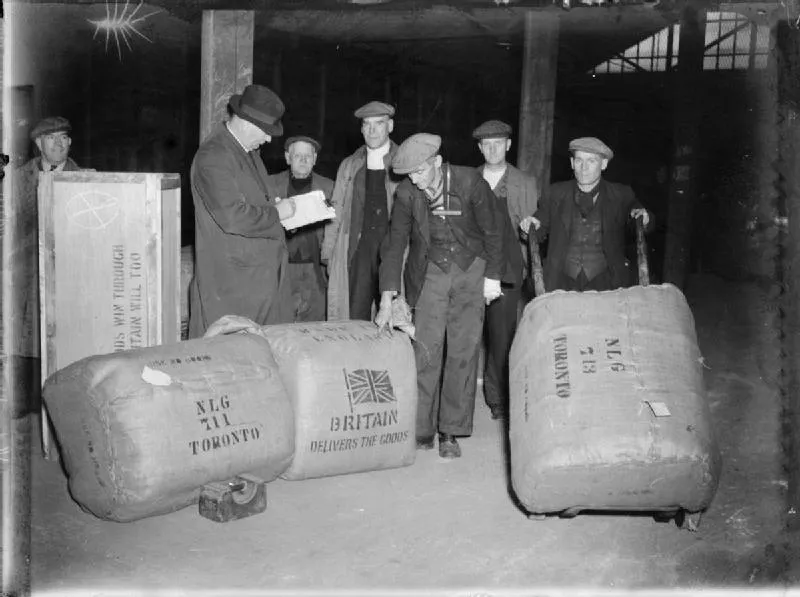
Photo: Ministry of Information Photo Division Photographer, Public domain, via Wikimedia Commons
There's a moment every small press publisher knows well. The book is done. The cover is gorgeous. The author is ready. And then comes the question nobody warned you about in any MFA program or self-publishing guide: How do I actually get this thing into stores?
The answer almost always runs through a distributor—and that's where things get complicated.
The Middlemen Nobody Talks About
Distributors, wholesalers, and fulfillment services occupy one of the least glamorous corners of the literary world. They're not the authors giving readings at independent bookstores. They're not the editors championing debut voices. They're the logistics layer—the warehouses, the invoicing systems, the trucking routes—and they quietly determine which books get a shot at real visibility and which ones get stuck in a publisher's garage.
For indie presses, navigating this world is genuinely daunting. The two biggest players in US book distribution—Ingram Content Group and Baker & Taylor—have enormous reach, but their terms aren't always friendly to small operations. Ingram's wholesale arm, Ingram Publisher Services, does work with independent publishers, but the contracts can include steep discount requirements (often 55% off retail or more), return policies that leave small presses holding the financial bag, and setup fees that sting when you're running a three-person operation out of a spare bedroom in Albuquerque.
"The system was built for scale," says one Midwest publisher who asked not to be named. "If you're printing 50,000 copies, those terms make sense. If you're printing 800, you're basically subsidizing someone else's business model."
What Distributors Actually Do (And Why It Matters)
It's worth slowing down here, because the difference between a distributor and a wholesaler trips up a lot of new publishers—and the distinction matters.
A wholesaler like Ingram or Baker & Taylor acts as a middleman that buys books at a discount and resells them to retailers and libraries. They're essentially a catalog. Bookstores order from them because it simplifies purchasing—one invoice instead of hundreds. But wholesalers don't actively sell your book. They stock it if asked.
A distributor, on the other hand, typically has a sales force. They pitch your titles to accounts, advocate for placement, and manage returns and billing on your behalf. Companies like Consortium Book Sales & Distribution (now part of Ingram) and Independent Publishers Group (IPG) out of Chicago fall into this camp. For a small press, landing a real distribution deal can feel like a legitimacy stamp—suddenly your books are being actively represented to buyers at Barnes & Noble, independent stores, and library systems.
The catch? Distributors are selective. They're looking for presses with consistent output, professional production values, and titles with market viability. A press putting out one or two books a year may struggle to get through the door.
The Cracks in the System
Here's where things get uncomfortable. The consolidation of book distribution over the past two decades has created real chokepoints for indie publishers. When Ingram absorbed Consortium in 2018, it sent ripples through the small press world. Suddenly, a huge chunk of independent distribution was under one corporate roof—a roof that, however well-intentioned, has shareholders and bottom lines to answer to.
Libraries present their own maze. Many public library systems purchase through specific vendors like Midwest Tape or EBSCO, and getting your titles into those pipelines requires yet another set of agreements and metadata standards. For a small press without dedicated staff, just keeping ISBN records, BISAC codes, and catalog listings current across multiple platforms is a part-time job.
And then there's the returns problem. Traditional book retail runs on a consignment model—stores can return unsold books for credit. For a large publisher, returns are a manageable line item. For a small press, a wave of returns from a chain that over-ordered can be genuinely destabilizing.
The Workarounds Getting Creative
Here's the good news: indie publishers are nothing if not resourceful, and a genuinely exciting set of alternative models has been taking shape.
Direct-to-reader sales have become a lifeline for many small presses. Publishers using platforms like Bookshop.org—which routes a portion of every sale back to independent bookstores—can build direct relationships with readers while still supporting the indie bookstore ecosystem. Some presses have gone further, building their own Shopify storefronts and cultivating email lists that rival their wholesale volume.
Regional distribution co-ops are another emerging model. A handful of small presses in the Pacific Northwest, for example, have experimented with pooling their catalogs and sharing fulfillment infrastructure, effectively creating a mini-distributor that serves their regional indie bookstore community. It's scrappy, it requires trust, and it works.
Consignment relationships with indie bookstores are making a quiet comeback too. Many independent booksellers—particularly those with strong community ties—are willing to carry local or regional small press titles on consignment, bypassing wholesale entirely. It's more labor-intensive, but the margins are dramatically better and the relationships tend to be genuine.
Some publishers are even looking at library direct programs, reaching out to library acquisition librarians through professional networks like the American Library Association's events and listservs, pitching titles person-to-person rather than waiting for a wholesaler to list them.
What Needs to Change
The indie publishing community has been vocal—if not always loud enough—about the structural inequities baked into traditional distribution. Presses led by BIPOC, queer, and working-class publishers often face the steepest climb, not because their books lack quality or audience, but because the financial terms of traditional distribution assume a certain baseline of capital that not everyone starts with.
Organizations like the Community of Literary Magazines and Presses (CLMP) and the Independent Book Publishers Association (IBPA) have been pushing for more equitable terms and better education around distribution options. The IBPA in particular has negotiated member discounts with several distributors and offers resources specifically aimed at helping small publishers decode the logistics layer.
But systemic change is slow. In the meantime, the most powerful thing readers can do is deceptively simple: buy direct when you can. Ordering from a small press's own website, or from a local indie bookstore that carries their titles, keeps more money in the hands of the people actually making the books.
The Road Ahead
Distribution will never be the sexy part of the indie publishing conversation. Nobody's writing fan fiction about fulfillment software. But the publishers who figure out this hidden highway—who understand the difference between a wholesaler and a distributor, who build direct relationships with booksellers and librarians, who explore co-op models and regional networks—are the ones building something durable.
The gatekeepers are real. But so are the side roads.